
Interior Design Trends Shaping Modern Restaurants
Modern restaurant interiors have evolved far beyond simply looking visually appealing—they are now carefully crafted experiences. Today’s diners seek more than just a meal; they expect environments that feel welcoming, comfortable, and thoughtfully designed, while also reflecting a strong and recognizable brand identity. From first impressions to lasting memories, every design detail contributes to how guests connect with the space. As a result, contemporary restaurant design is being shaped by several key elements that work together seamlessly: natural textures, warm and layered lighting, and flexible, adaptable spaces. When combined, these trends create an ideal balance between style, comfort, and functionality.
Natural Textures Bring Authenticity
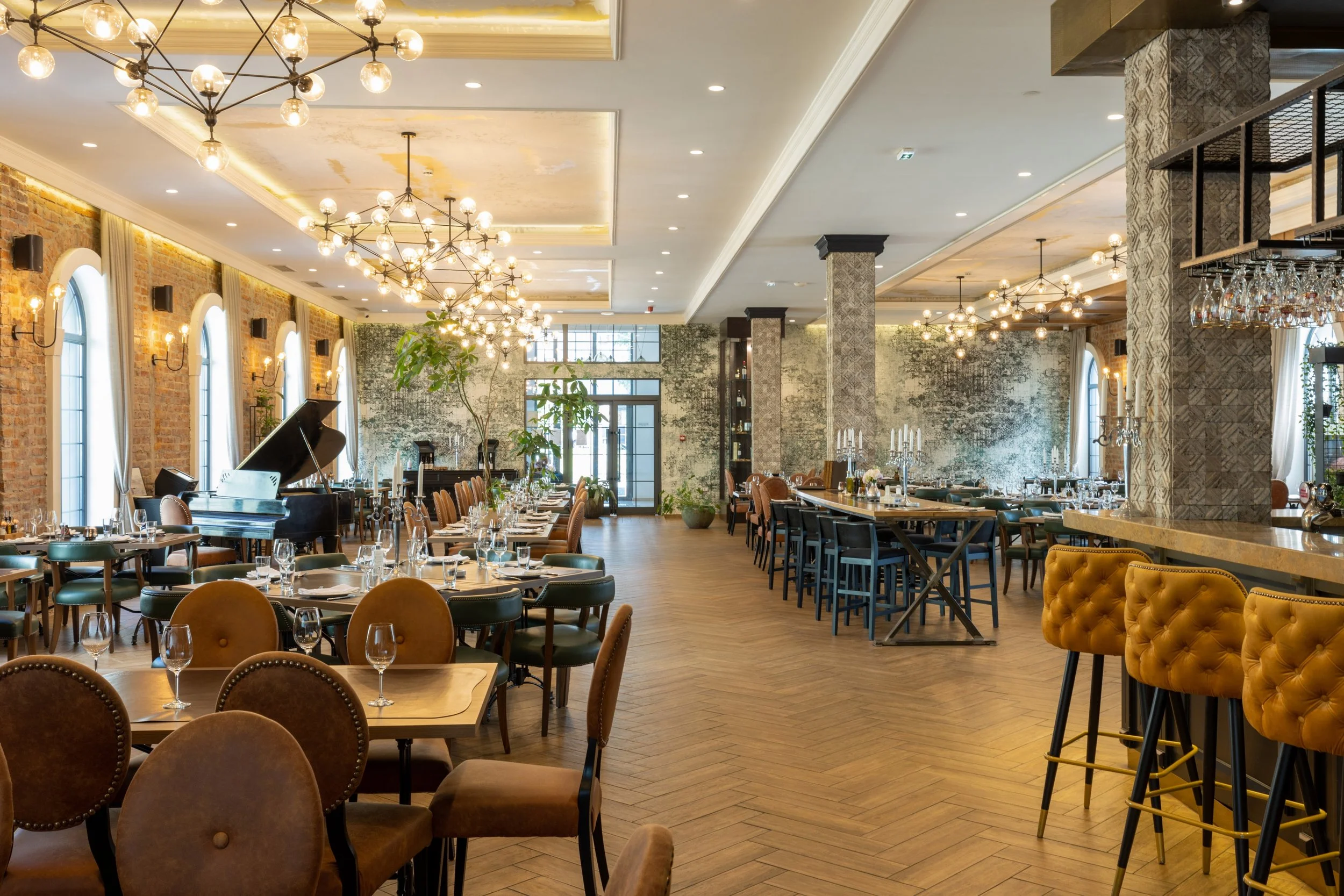
Natural textures are at the heart of modern restaurant design, helping to create environments that feel grounded, inviting, and authentic. Materials such as wood, stone, brick, concrete, linen, and leather introduce warmth and visual richness while enhancing the overall sensory experience. Whether showcased through exposed beams, reclaimed wood furniture, stone surfaces, or tactile fabrics, these elements add character and depth to interiors. They help soften the space and create a more organic, relaxed atmosphere that resonates with guests. Beyond their aesthetic value, natural materials also communicate craftsmanship and quality. Hand-finished details and locally sourced elements tell a story, making spaces feel more intentional and unique. Additionally, many restaurants are embracing sustainable design practices by incorporating environmentally responsible materials—an approach that aligns with modern values and customer expectations.
Warm Lighting Sets the Mood
Lighting plays a crucial role in shaping the mood and ambiance of a restaurant. Modern interiors emphasize warm, layered lighting that enhances comfort while highlighting key design features. Instead of relying solely on overhead fixtures, designers are incorporating a mix of lighting sources, including pendant lights, wall sconces, recessed lighting, and subtle LED accents. This layered approach creates depth and allows for greater control over the atmosphere. A key trend is adaptability—lighting that evolves throughout the day. Bright, natural light or higher illumination works well for daytime dining, creating an energizing and inviting space. As the day transitions into evening, lighting becomes softer and more intimate, encouraging guests to relax and linger longer. This thoughtful shift not only enhances the dining experience but also influences how people interact with the space.
Flexible Spaces for Today’s Dining Needs
Flexibility has become a defining feature of modern restaurant design. Spaces must now accommodate a wide range of dining scenarios—from solo diners and casual lunches to group celebrations and private events. To meet these needs, designers are incorporating modular furniture, movable seating, and adaptable layouts. Tables can be rearranged easily, partitions can create temporary private areas, and multifunctional zones allow spaces to shift seamlessly throughout the day. While open layouts remain popular, they are often complemented by intentional zoning. Distinct areas—such as bar seating, communal tables, cozy corners, and semi-private sections—offer guests a variety of experiences within the same environment. This level of adaptability enhances both guest satisfaction and operational efficiency, allowing restaurants to maximize their space without sacrificing comfort.
Comfort Meets Style
Modern restaurant interiors are defined by their ability to merge aesthetic appeal with genuine comfort. Stylish design is no longer enough on its own—guests expect to feel physically at ease from the moment they sit down. Ergonomic seating, well-proportioned tables, and thoughtful spacing all contribute to a better dining experience. Acoustic considerations also play an important role, with materials and layouts designed to reduce noise levels and create a more relaxed atmosphere. High-quality furnishings are essential in achieving this balance. For example, durable and design-forward furniture solutions—such as those offered by Grosfillex (https://www.grosfillex.com)—combine performance with style, making them ideal for high-traffic restaurant environments. Their collections provide both indoor and outdoor seating options that are built for longevity while maintaining a modern, sophisticated look.
Designing Beyond the Dining Room
Exceptional restaurant design extends far beyond the front-of-house experience. A well-designed space is supported by a highly efficient and functional backend that keeps operations running smoothly. In addition to crafting inviting interiors, we specialize in the design and installation of commercial kitchens that integrate seamlessly with the overall concept. From initial space planning and equipment selection to installation and workflow optimization, every detail is carefully considered. A thoughtfully designed kitchen improves efficiency, reduces delays, and enhances service quality—ensuring that the guest experience remains consistent from start to finish. By aligning back-of-house functionality with front-of-house aesthetics, restaurants can operate as beautifully as they look. Contact us today for all of your interior design needs and let us help you create a restaurant space that is both visually stunning and highly functional from front to back.
Double-click to edit...
Double-click to edit...
Double-click to edit...
