
Commercial Food Processors vs. Blenders: Key Differences
Choosing the Right Kitchen Equipment
In a commercial kitchen, efficiency and consistency are everything. Whether you're running a busy restaurant, café, or food truck, selecting the right equipment can make a significant difference in productivity. Two commonly confused tools are food processors and blenders. While both are essential, they serve very different purposes—especially when comparing premium brands like Robot Coupe (food processors) and Waring (blenders).
What Is a Commercial Food Processor?
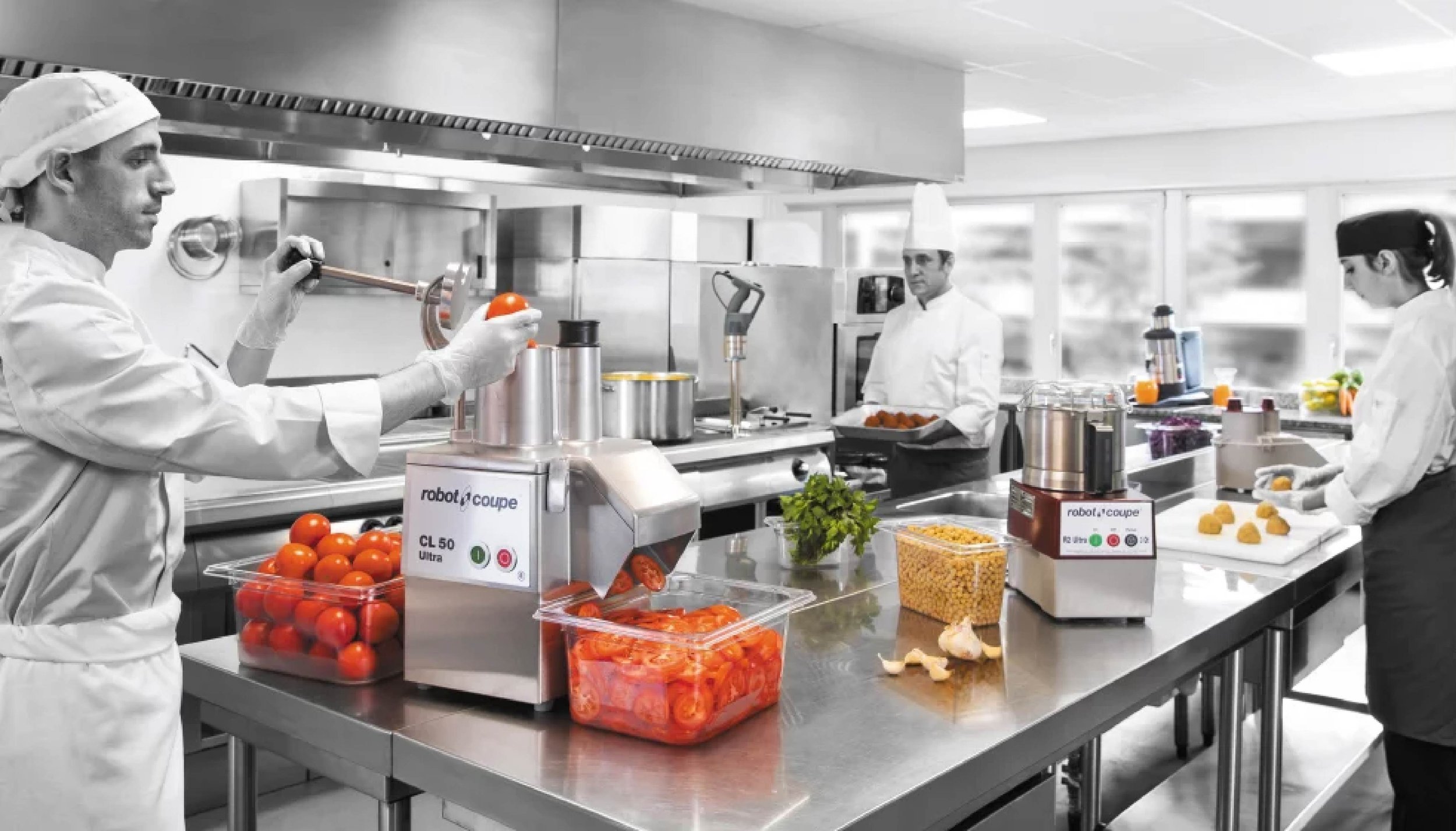
A commercial food processor is designed for heavy-duty food prep tasks such as slicing, dicing, shredding, grating, and chopping. Brands like Robot Coupe are industry leaders, known for their durability, precision, and versatility. These machines use interchangeable blades and discs, making them ideal for prepping large quantities of vegetables, cheeses, and meats quickly and uniformly.
What Is a Commercial Blender?
A commercial blender, such as those produced by Waring, is built to liquefy and emulsify ingredients. These machines excel at making smoothies, soups, sauces, and purees. With powerful motors and sharp blades, Waring blenders can crush ice and blend tough ingredients into smooth textures, making them indispensable in beverage stations and kitchens focusing on liquid-based dishes.
Key Difference #1: Functionality
The primary difference lies in what each machine is designed to do. Robot Coupe food processors specialize in solid food preparation—cutting, slicing, and shredding with precision. On the other hand, Waring blenders are focused on transforming ingredients into liquids or smooth mixtures. If your kitchen workflow involves prepping vegetables or cheeses in bulk, a food processor is essential; if you're making drinks or sauces, a blender is the better choice.
Key Difference #2: Blade Design and Operation
Food processors like Robot Coupe use a variety of interchangeable discs and blades that rotate at moderate speeds, allowing for controlled cuts and textures. Blenders such as Waring models feature fixed blades that spin at very high speeds, creating a vortex that pulls ingredients downward for even blending. This difference in design directly impacts the texture and consistency of the final product.
Key Difference #3: Capacity and Volume Processing
Robot Coupe food processors are built to handle large batches of solid ingredients efficiently, making them ideal for high-volume kitchens. Their wide feed tubes and large bowls reduce prep time significantly. Waring blenders, while still powerful, are typically better suited for batch processing liquids and smaller quantities, especially when consistency is critical.
Key Difference #4: Versatility in the Kitchen
Food processors offer versatility in prep work, reducing the need for multiple manual tools. With the right attachments, a Robot Coupe can replace slicers, graters, and even some cutting tasks. Conversely, Waring blenders offer versatility in drink and liquid preparation, often programmed with multiple settings for different textures—from smoothies to frozen cocktails.
Key Difference #5: Speed and Efficiency
Blenders tend to operate at higher speeds, making them faster for liquid-based tasks. However, food processors are more efficient for bulk prep work because they maintain consistency across large quantities. Choosing between them depends on your kitchen’s most frequent needs and workflow priorities.
When to Use a Food Processor vs. a Blender
Use a Robot Coupe food processor when you need to slice vegetables, grate cheese, mix doughs, or prep ingredients in bulk. Opt for a Waring blender when you're creating smoothies, purees, soups, or sauces that require a smooth, uniform texture. Many commercial kitchens benefit from having both, as they complement each other rather than compete.
Conclusion: Equip Your Kitchen for Success
Understanding the differences between commercial food processors and blenders helps you invest wisely in equipment that supports your operations. Robot Coupe and Waring are both trusted names, each excelling in their respective categories and bringing reliability to professional kitchens.
Ready to Upgrade Your Commercial Kitchen?
Thinking about refreshing your restaurant, launching a new food truck, or taking your culinary operation to the next level? The right equipment is the foundation of success. Connect with our team to discover customized solutions designed to fit your space, streamline your workflow, and support your business goals—we’re ready to help you get started.
Double-click to edit...
